
Home /News /trigger coil /Trigger Coil Primary Voltage: Safe Min, Max, and Recommended Operating Range /
Trigger Coil Primary Voltage: Safe Min, Max, and Recommended Operating Range
author: xenonlamp
2026-06-04
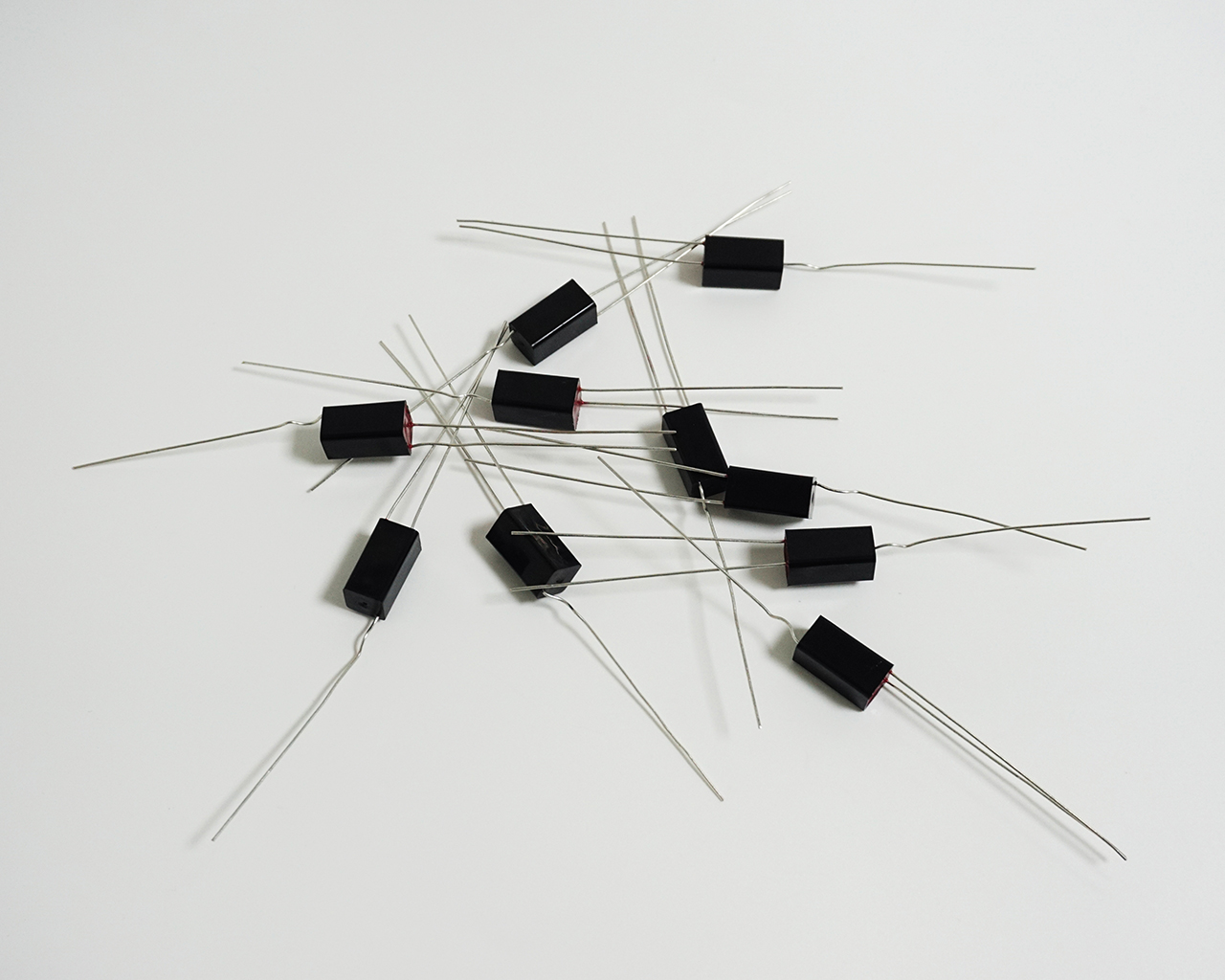
A xenon flash lamp requires a high‑voltage trigger pulse to ionize the gas and initiate the main discharge. This pulse is generated by a trigger coil (also called a pulse transformer), which steps up a low‑voltage primary pulse to several kilovolts on the secondary side.
But what if the datasheet only gives a single nominal value (e.g., 300V) for the primary? This article explains the minimum reliable voltage, maximum continuous voltage, and peak limits for trigger coils used with all xenon flash lamps.
1. Nominal vs. practical operating range
Most trigger coils are specified at a nominal primary voltage – typically 150V, 300V, or 600V depending on the model. However, real‑world circuits experience fluctuations, and different applications may require different primary voltages.
Based on extensive testing across multiple trigger coil models, here are the universal guidelines:
Parameter Typical values Notes
Minimum reliable trigger (cold lamp) 70–80% of nominal Example: 210–240V for a 300V nominal coil
Minimum reliable trigger (warm lamp) 80–90% of nominal Hot gas requires higher breakdown voltage
Recommended continuous range ±10% of nominal Example: 270–330V for a 300V coil
Maximum continuous voltage 110% of nominal Exceeding this accelerates insulation aging
Maximum non‑repetitive peak 130–150% of nominal Short pulses only; repeated use not recommended
2. What happens outside the safe range?
Condition Consequence
Voltage too low Secondary voltage insufficient to ionize the lamp → misfires, erratic operation, or complete failure to trigger (especially with warm lamps)
Voltage too high (continuous) Insulation breakdown inside the coil → reduced lifetime, increased leakage current, eventual coil failure
Voltage too high (short peak) Possible immediate insulation puncture; risk of primary‑to‑secondary arcing that can damage the driver circuit
3. Why the minimum trigger voltage is higher for warm lamps
When a flash lamp has been operating at high repetition rates, the gas inside remains warm and less dense. A higher breakdown voltage is required to re‑ionize the gas. This is why:
Minimum reliable trigger (cold lamp) 70–80% of nominal Example: 210–240V for a 300V nominal coil
Minimum reliable trigger (warm lamp) 80–90% of nominal Hot gas requires higher breakdown voltage
Recommended continuous range ±10% of nominal Example: 270–330V for a 300V coil
Maximum continuous voltage 110% of nominal Exceeding this accelerates insulation aging
Maximum non‑repetitive peak 130–150% of nominal Short pulses only; repeated use not recommended
2. What happens outside the safe range?
Condition Consequence
Voltage too low Secondary voltage insufficient to ionize the lamp → misfires, erratic operation, or complete failure to trigger (especially with warm lamps)
Voltage too high (continuous) Insulation breakdown inside the coil → reduced lifetime, increased leakage current, eventual coil failure
Voltage too high (short peak) Possible immediate insulation puncture; risk of primary‑to‑secondary arcing that can damage the driver circuit
3. Why the minimum trigger voltage is higher for warm lamps
When a flash lamp has been operating at high repetition rates, the gas inside remains warm and less dense. A higher breakdown voltage is required to re‑ionize the gas. This is why:
Cold lamp → may trigger reliably at 250V (for a 300V nominal coil)
Warm lamp (after many flashes) → may require 280V or more for reliable triggering
If your system experiences occasional misfires after running for several minutes, the primary voltage may be too close to the minimum. Increase it by 10–20% to solve the issue.
4. How to measure and adjust primary voltage
Measurement:
Measurement:
Use an oscilloscope with a differential probe or isolated probe across the primary winding of the trigger coil.
Measure the peak voltage of the trigger pulse (not the DC supply voltage).
Adjustment:
Too low? – Increase the trigger circuit’s DC bus voltage, or use a smaller trigger capacitor.
Too high? – Add a zener diode clamp, reduce the DC bus, or increase the trigger capacitor value (which lowers peak voltage for the same energy).
5. Trigger coil selection guide
Lamp type / application Typical primary voltage Recommended coil
Small indicator lamps, low energy (<1J) 150–200V Miniature trigger coil
Medium energy curing, stroboscopes (1–20J) 300V Standard trigger coil
High energy industrial lamps (20–100J) 300–600V Heavy‑duty trigger coil
Laser pumping, high rep rate 300V (with fast rise time) Low‑leakage, high‑isolation coil
6. Troubleshooting: Lamp not triggering?
If your xenon flash lamp fails to fire, check these points in order:
Lamp type / application Typical primary voltage Recommended coil
Small indicator lamps, low energy (<1J) 150–200V Miniature trigger coil
Medium energy curing, stroboscopes (1–20J) 300V Standard trigger coil
High energy industrial lamps (20–100J) 300–600V Heavy‑duty trigger coil
Laser pumping, high rep rate 300V (with fast rise time) Low‑leakage, high‑isolation coil
6. Troubleshooting: Lamp not triggering?
If your xenon flash lamp fails to fire, check these points in order:
Is the primary voltage within spec? (Measure it)
Is the trigger capacitor charging properly? (Check DC supply)
Is the trigger coil secondary circuit complete? (No broken wires, proper ground connection)
Is the lamp warm? (Try increasing primary voltage if warm)
Is the lamp at end‑of‑life? (Old lamps require higher trigger voltage)
7. Need help selecting or testing a trigger coil?
We support all trigger coil types for xenon flash lamps. If you are unsure whether your existing coil matches your lamp, send us:
Your lamp model (or its voltage/energy rating)
Your trigger circuit schematic (or primary voltage waveform)
We will recommend the best coil for reliable, long‑life operation.
Why Do Xenon Flash Lamp Datasheets Show 150V and 6KV Trigger Voltage?
Trigger Coil in HVAC: The Essential Spark for Your Boiler's Ignition System
Related Article

f you have reviewed xenon flash lamp datasheets, you may have noticed two different trigger voltage specifications:
Min. trigger voltage: 150V
Secondary trigger voltage: 6KV (or higher)
At first glance, these numbers seem contradictory. Why would the same lamp require both 150V and 6KV to trigger? The answer lies in how a flash system works
Min. trigger voltage: 150V
Secondary trigger voltage: 6KV (or higher)
At first glance, these numbers seem contradictory. Why would the same lamp require both 150V and 6KV to trigger? The answer lies in how a flash system works
Why Do Xenon Flash Lamp Datasheets Show 150V and 6KV Trigger Voltage?

If you're in the HVAC industry and work with products like boilers or furnaces, you've likely encountered the term "trigger coil." But what exactly is it, and why is this component so critical to the operation of your heating systems? This article delves into how trigger coils function as the heart of the electronic ignition system in many HVAC products.
Trigger Coil in HVAC: The Essential Spark for Your Boiler's Ignition System