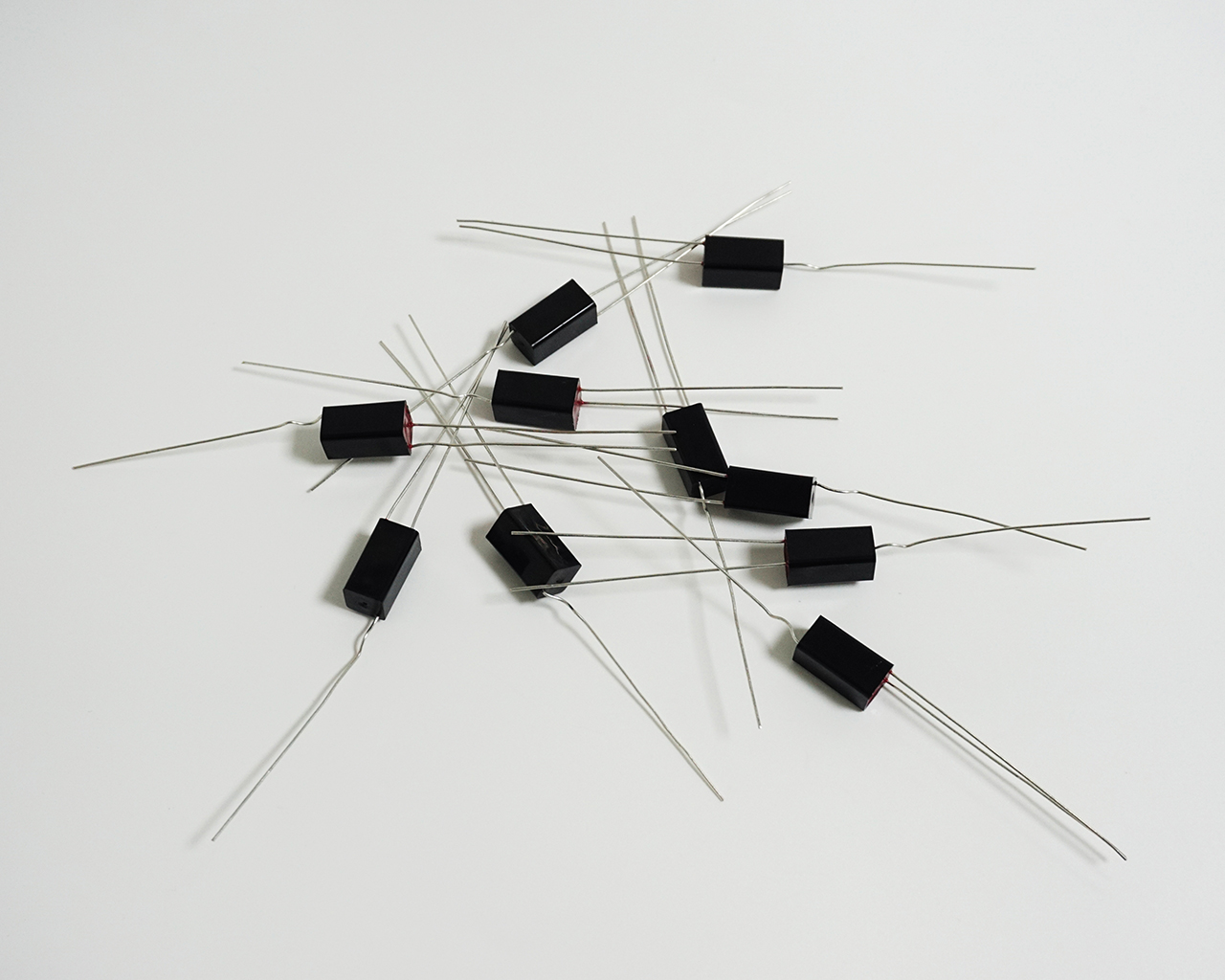
Why Do Xenon Flash Lamp Datasheets Show 150V and 6KV Trigger Voltage?
author: xenon light
2026-06-10
The short answer: They are measured at two different points in the circuit.
150V – The Primary Side Trigger Voltage
This is the voltage applied to the input of the trigger coil (primary side). It comes from a trigger capacitor (typically 0.1μF – 1μF) that discharges through an SCR into the trigger coil. This 150V is a control voltage – easy to generate and safe for electronic switches.
6KV – The Secondary Side Trigger Voltage
This is the voltage generated at the output of the trigger coil (secondary side). The trigger coil acts as a step-up transformer, boosting the 150V input to 6KV or more. This high-voltage pulse is applied directly to the flash tube's trigger electrode.
Why does the flash tube need 6KV?
A xenon flash tube contains gas at near-atmospheric pressure. To ionize the gas and create a conduction path between anode and cathode, a very high electric field is required – typically 4KV to 10KV. Without this high-voltage pulse, the lamp will not fire regardless of the anode voltage.
The complete trigger path:
150V (primary side) → Trigger Coil (step-up) → 6KV (secondary side) → Flash tube ignites
Common confusion in datasheets:
Many datasheets simply write "Min. trigger voltage" without specifying primary or secondary. This is the root of the confusion.
What the datasheet says What it actually means
Min. trigger voltage = 150V Primary side input voltage
Secondary trigger voltage = 6KV Secondary side output to tube
Trigger voltage = 5KV Secondary side (most common)
Industry best practice:
Min. trigger voltage = 150V Primary side input voltage
Secondary trigger voltage = 6KV Secondary side output to tube
Trigger voltage = 5KV Secondary side (most common)
Industry best practice:
A clear datasheet should explicitly state:
Primary trigger voltage – voltage input to trigger coil (typically 150V–400V)
Secondary trigger voltage – voltage output to flash tube (typically 4KV–10KV)
Key takeaway:
The 150V and 6KV specifications do not conflict. They describe two essential parts of the same ignition process. The 150V is what your circuit must provide. The 6KV is what the trigger coil must deliver to the lamp. Both are required for reliable operation.
When selecting a trigger coil, ensure it can step up your available primary voltage to the lamp's required secondary trigger voltage. The turns ratio needed is simply:
Secondary Voltage ÷ Primary Voltage = Turns Ratio
Example: 6000V ÷ 150V = 40 (1:40 step-up ratio)
Understanding this distinction will help you read xenon flash lamp datasheets correctly and select the right trigger components for your design.
Trigger Coil Primary Voltage: Safe Min, Max, and Recommended Operating Range
Related Article

A xenon flash lamp requires a high‑voltage trigger pulse to ionize the gas and initiate the main discharge. This pulse is generated by a trigger coil, which steps up a low‑voltage primary pulse to several kilovolts on the secondary side.
But what if the datasheet only gives a single nominal value for the primary? This article explains the minimum reliable voltage, maximum continuous voltage, and peak limits for trigger coils used with all xenon flash lamps.
Trigger Coil Primary Voltage: Safe Min, Max, and Recommended Operating Range

If you're in the HVAC industry and work with products like boilers or furnaces, you've likely encountered the term "trigger coil." But what exactly is it, and why is this component so critical to the operation of your heating systems? This article delves into how trigger coils function as the heart of the electronic ignition system in many HVAC products.
Trigger Coil in HVAC: The Essential Spark for Your Boiler's Ignition System