
Trigger Coil in HVAC: The Essential Spark for Your Boiler's Ignition System
What is a Trigger Coil?
A trigger coil, also known as an ignition coil or spark coil, is a type of step-up transformer. Its primary function is to convert a low-voltage electrical signal from the system's control board into a very high-voltage pulse. This high-voltage pulse is powerful enough to create an electric spark across a gap, which is used to ignite fuel.
In essence, it's the high-performance "electronic match" for modern combustion systems.
How Does a Trigger Coil Work in HVAC Products?
The operation of a trigger coil within an HVAC system, such as a boiler or gas furnace, is a precise and reliable process:
-
Call for Heat: The thermostat signals the need for heat.
-
Control Signal: The system's control board sends a low-voltage DC signal (typically 24V) to the trigger coil.
-
Voltage Transformation: Inside the trigger coil, this low voltage is rapidly transformed into a very high voltage, often in the range of 10,000 to 20,000 volts.
-
Spark Generation: This high-voltage pulse is sent to the ignitor electrode, positioned near the gas burner. The voltage jumps the gap between the electrode and the ground, creating a visible spark.
-
Ignition: The spark instantly ignites the incoming gas or oil fuel, beginning the heating cycle.
This entire process happens in a fraction of a second, ensuring efficient and safe ignition every time the system starts.
Key HVAC Products That Use Trigger Coils
Trigger coils are indispensable in any HVAC equipment that relies on electronic ignition for combustion. The most common applications include:
-
Commercial and Residential Boilers: A primary application, exactly as mentioned by industry professionals like those from Johnson Controls.
-
Gas Furnaces: Both for central heating systems in homes and larger commercial units.
-
Water Heaters: Especially commercial-grade models that require a reliable and rapid ignition source.
-
Industrial Heating Systems: Used in large-scale process heating equipment.
Why is a Quality Trigger Coil Crucial for Your HVAC System?
The reliability of the trigger coil directly impacts the overall performance and safety of the HVAC unit.
-
Reliable Ignition: A faulty coil will fail to create a spark, preventing the system from starting and leaving a building without heat or hot water.
-
System Safety: By ensuring fuel is ignited immediately, it prevents the dangerous buildup of unburned gas.
-
Energy Efficiency: A strong, consistent spark leads to complete combustion, maximizing fuel efficiency and reducing emissions.
Symptoms of a Failing Trigger Coil:
-
The system attempts to start but does not ignite (short cycling).
-
No heat or hot water despite the system running.
-
Visible error codes on the control board related to ignition failure.
Conclusion: The Unsung Hero of HVAC Ignition
So, to answer the question definitively: Yes, a trigger coil can and does work for HVAC products—it is a fundamental component for their operation. As a critical part of the electronic ignition system, it provides the essential spark that ignites the fuel in boilers, furnaces, and other heating equipment. For HVAC manufacturers, technicians, and suppliers, understanding the role and importance of a high-quality trigger coil is key to ensuring system reliability, safety, and customer satisfaction.
Trigger Coil Primary Voltage: Safe Min, Max, and Recommended Operating Range
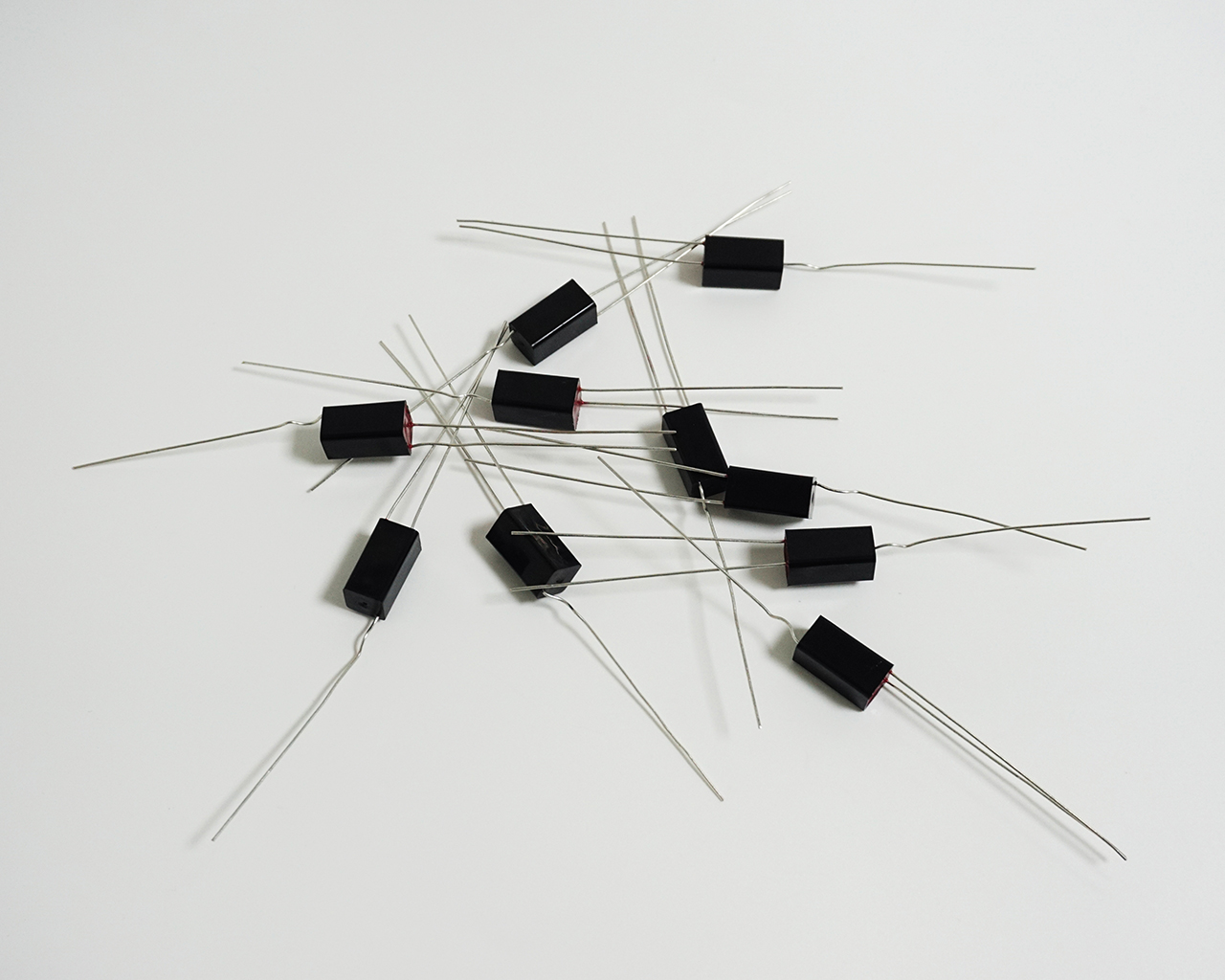
The trigger wire comes out from the cathode side of the xenon lamp. The coil generally uses positive triggering
Related Article

Min. trigger voltage: 150V
Secondary trigger voltage: 6KV (or higher)
At first glance, these numbers seem contradictory. Why would the same lamp require both 150V and 6KV to trigger? The answer lies in how a flash system works

But what if the datasheet only gives a single nominal value for the primary? This article explains the minimum reliable voltage, maximum continuous voltage, and peak limits for trigger coils used with all xenon flash lamps.